The Strongest Thunderstorm In Southern Bavaria 2025 – Massive HP Supercell on September 4, 2025

Peter Engelmann, December 23, 2025

2025 had been a disappointing season for Stormchasers in Southern Germany for some time compared to 2024, or a better and quieter season for farmers and other people.

However, near the end of the Thunderstorm Season, there was one spectacular event which reimbursed weather watchers for a long wait. In the early evening hours of September 4, a massive supercell developed in Switzerland, then intensified in the South-West of Bavaria near the Allgaeu mountains and moved towards Lake Ammersee and further to the North-East. 

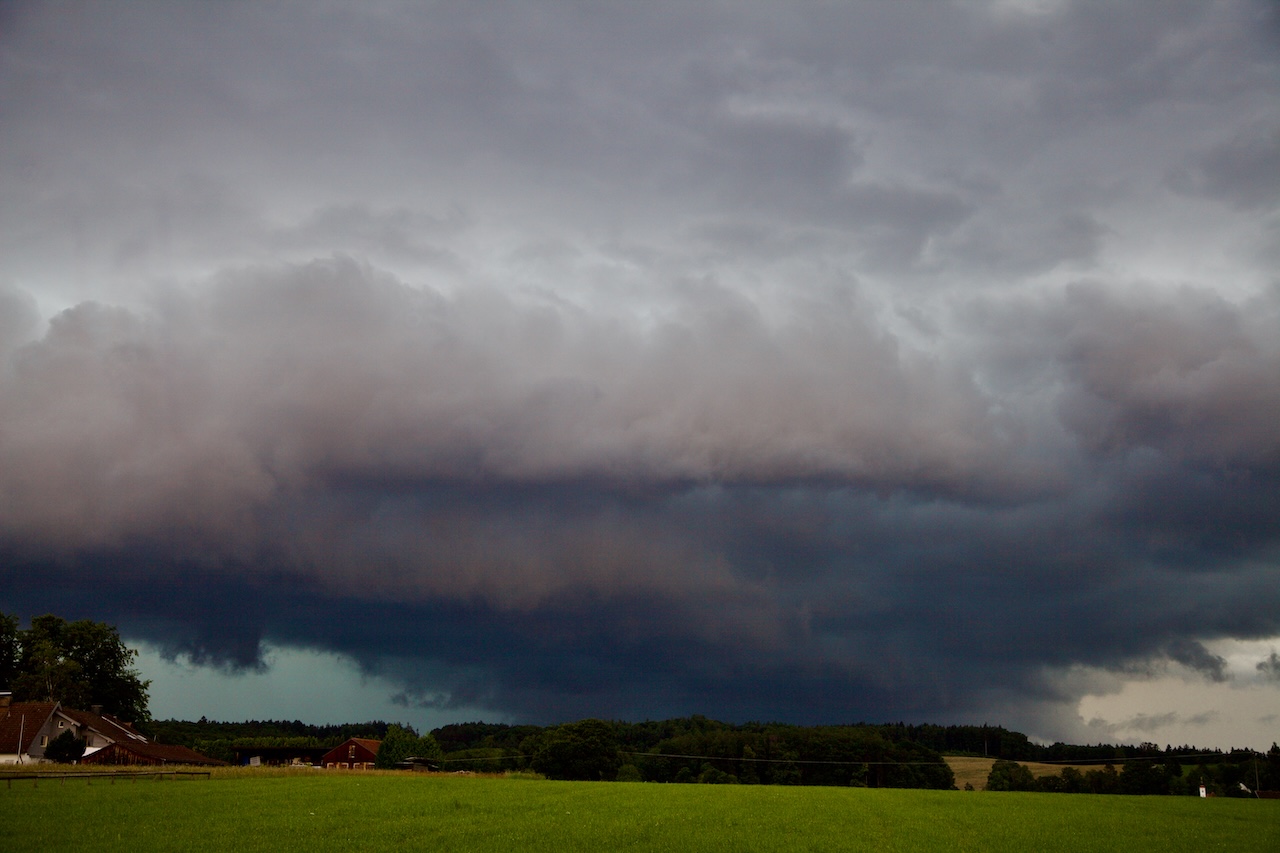
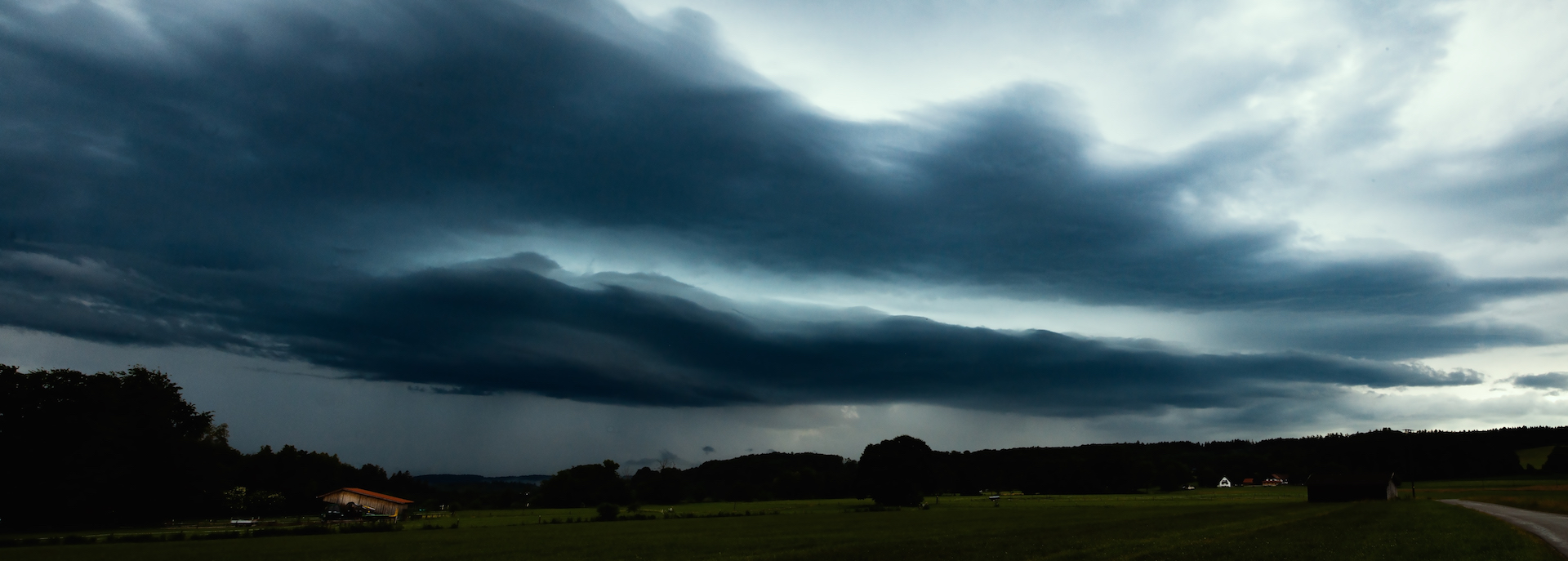
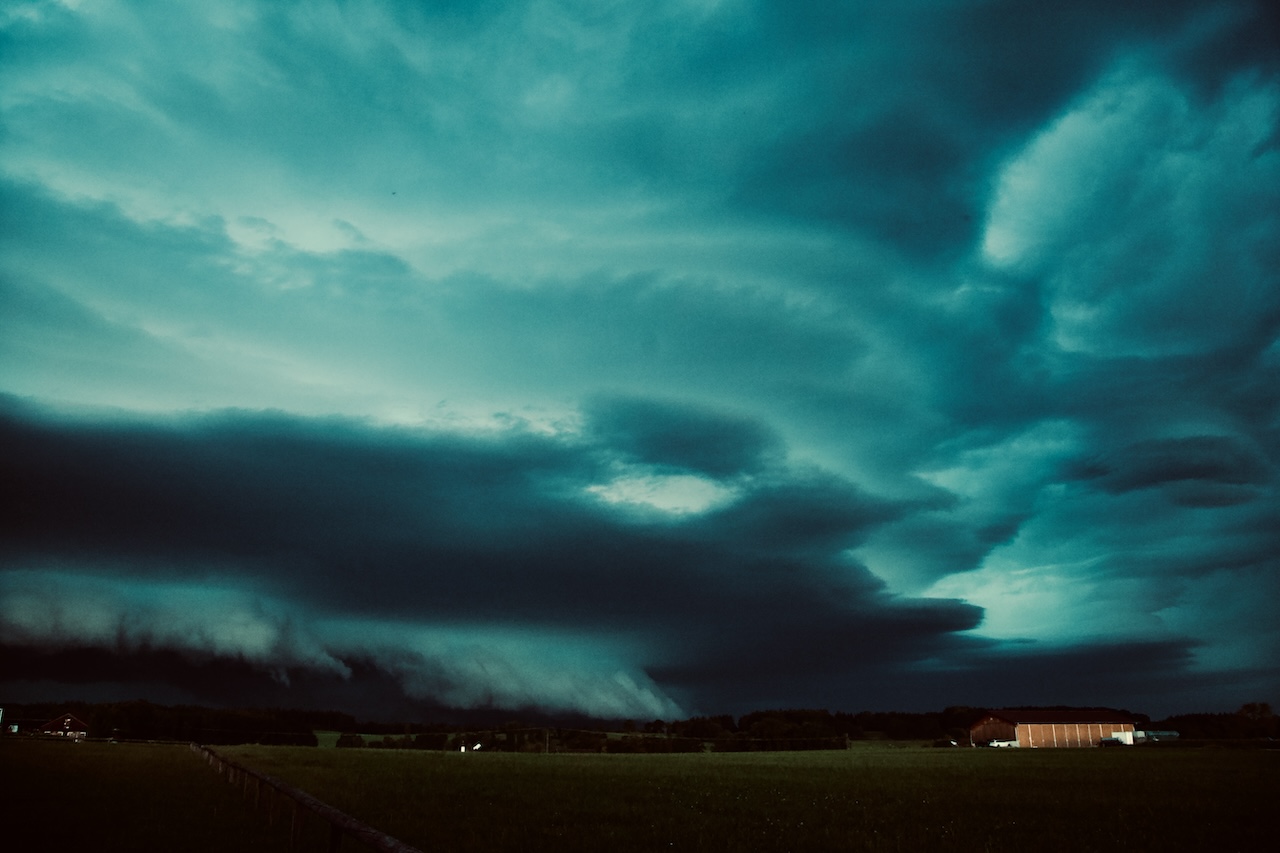
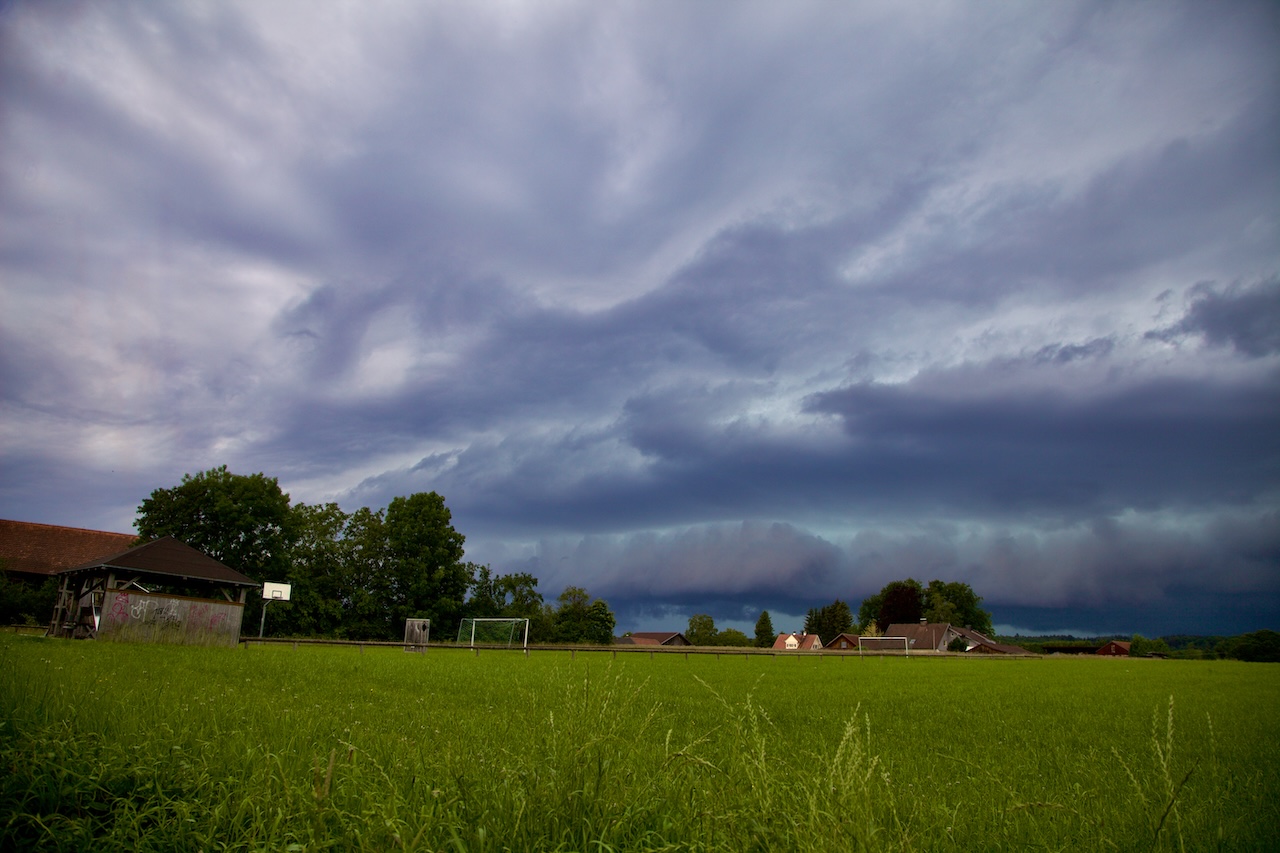
This supercell thunderstorm intensified and brought storm, hail, and lots of rain. Most of all it created a dramatic and memorable scenery due to its highly structured shelf cloud with multiple floors. 

That storm system moved slowly, and because it was already getting darker as the sun was close to the horizon, it increased the dramatic effect of the approaching clouds. 

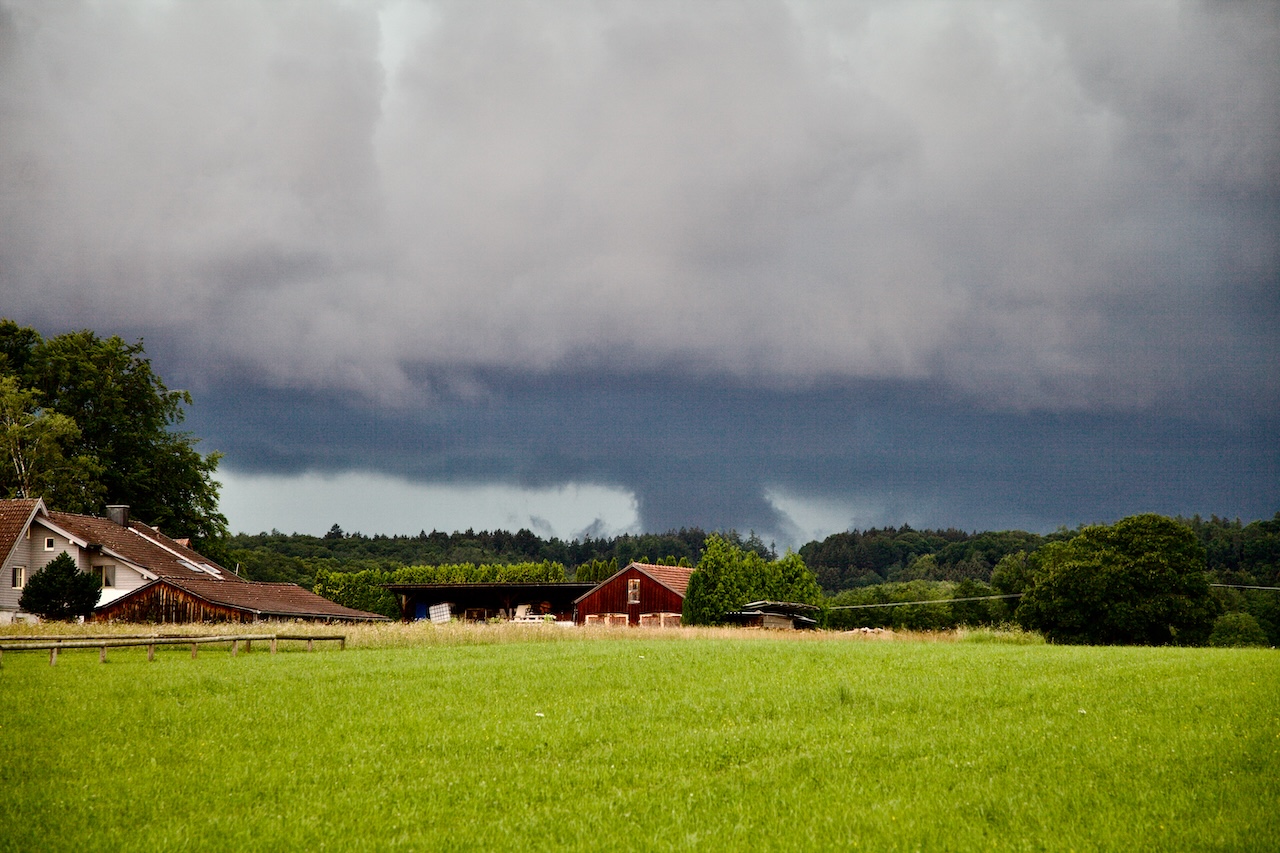
Furthermore the approaching shelf-cloud was, even for experienced weather-watchers, a unique experience as it looked like it would directly touch the ground. We were not the only ones filming that day, and there are a number of videos on YouTube documenting this spectacular weather event.

A public festival in Gillamoos had to be evacuated, and this massive storm left some damage across its path. The Firestarters had a lot of work in the Allgeau region. A dam broke. 

Another impressive fact was that the weather system, which started in Switzerland, even made it to the North of Germany. The original supercell became a cluster of storms, a so-called MCS (Mesoscale Convective System). 
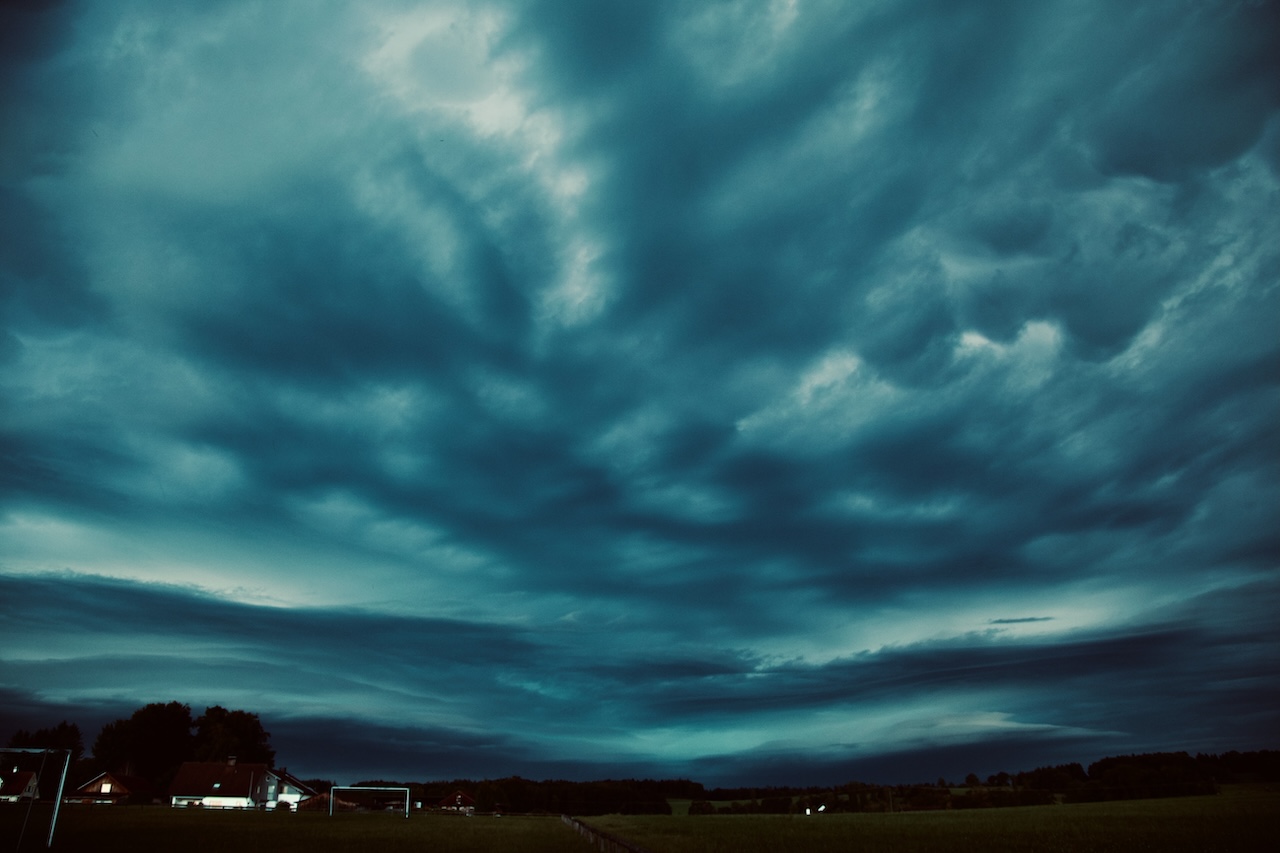
The reason for this extreme weather event was an air mass limit over Germany, separating subtropical warm air from colder air coming from the Atlantic. There was an enormous energy in the air. The models predicted a dangerous situation with severe storms, and a weather warning was issued. The weather forecast was pretty good in this case.

It’s noteworthy that there were often blocking weather patterns over long periods with little change that are responsible for the lower number of thunderstorms in the Southern German area. By the end of the year, there is a clear anomaly with too little rain, even though there wasn’t any severe drought in Southern Germany.

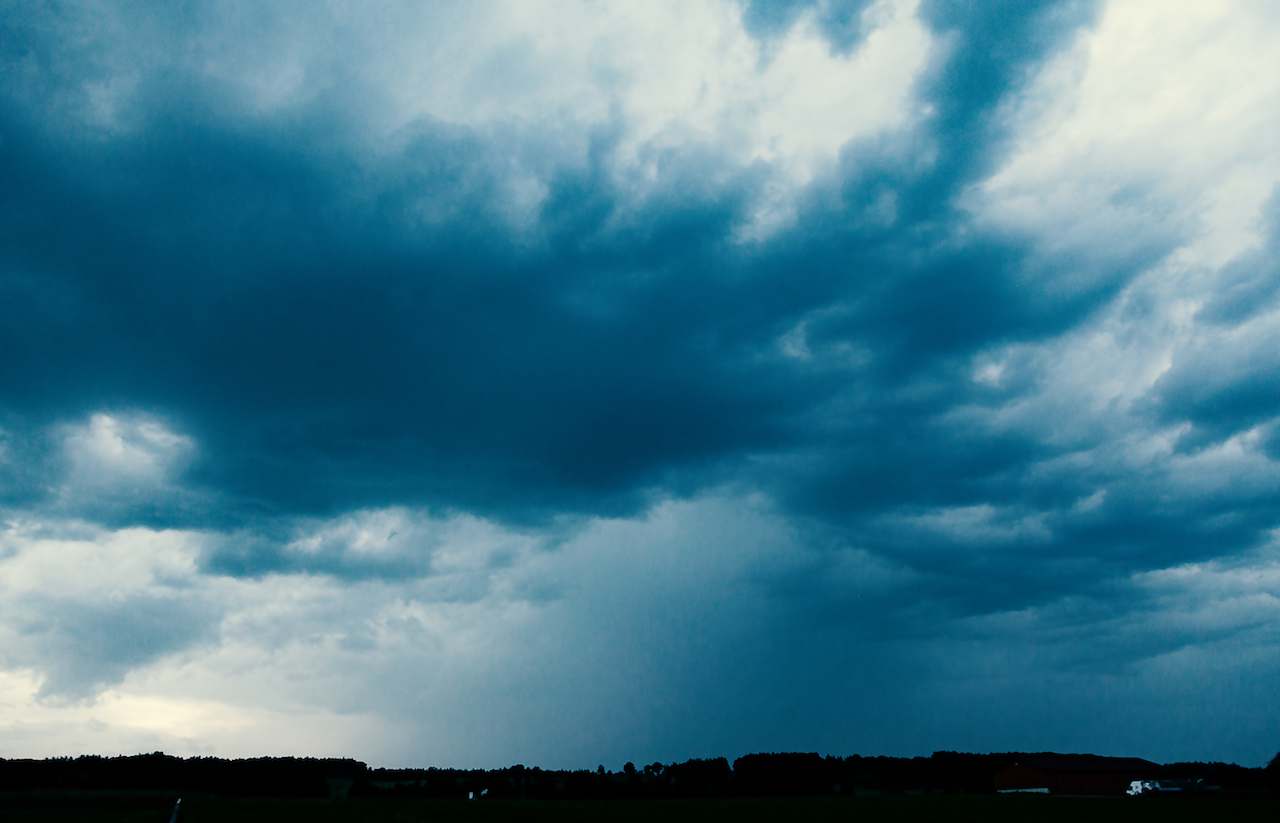
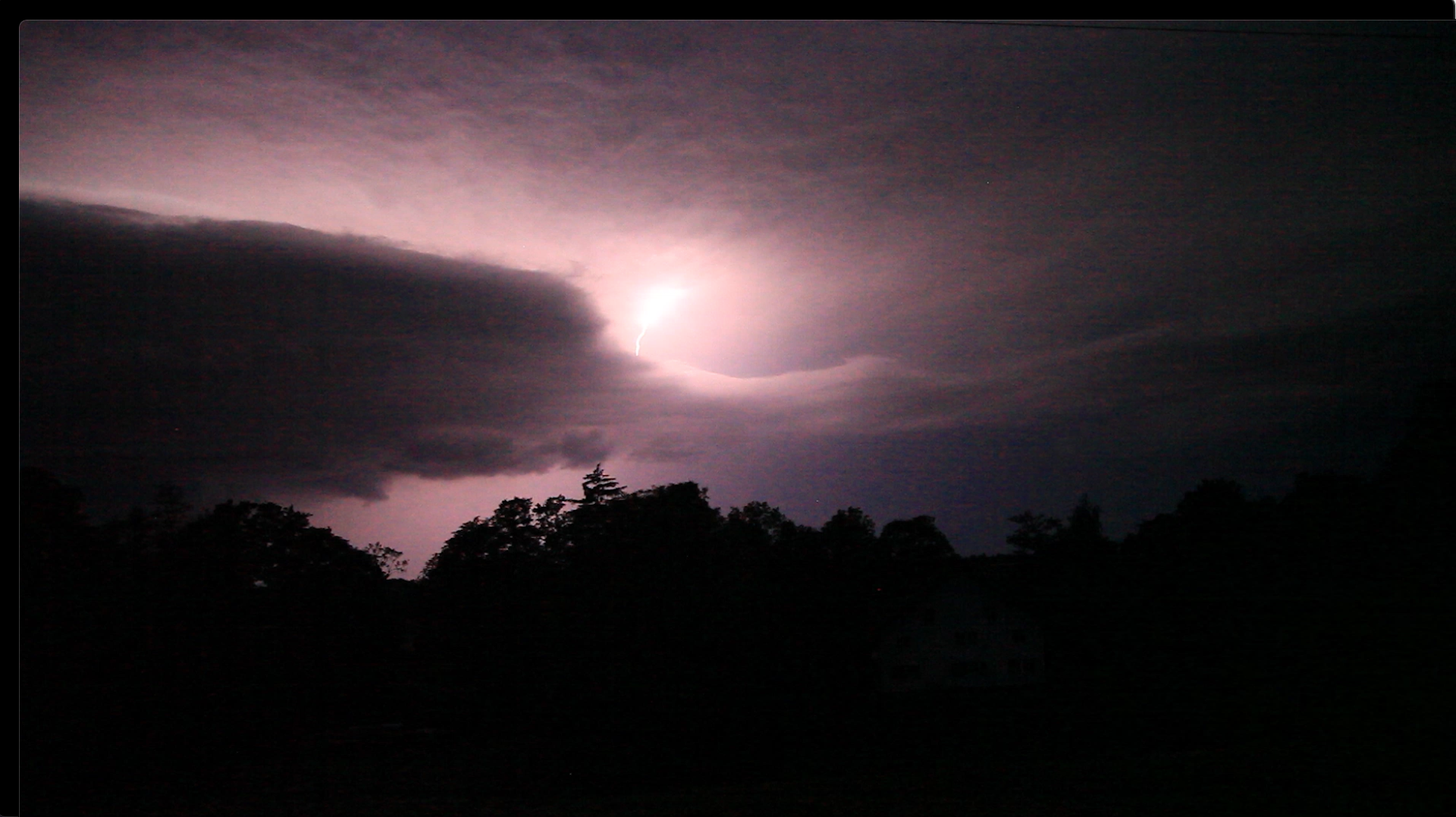
For photographers, this special supercell storm created an eerie, even otherworldly atmosphere which intensified as it got darker and the storm approached:
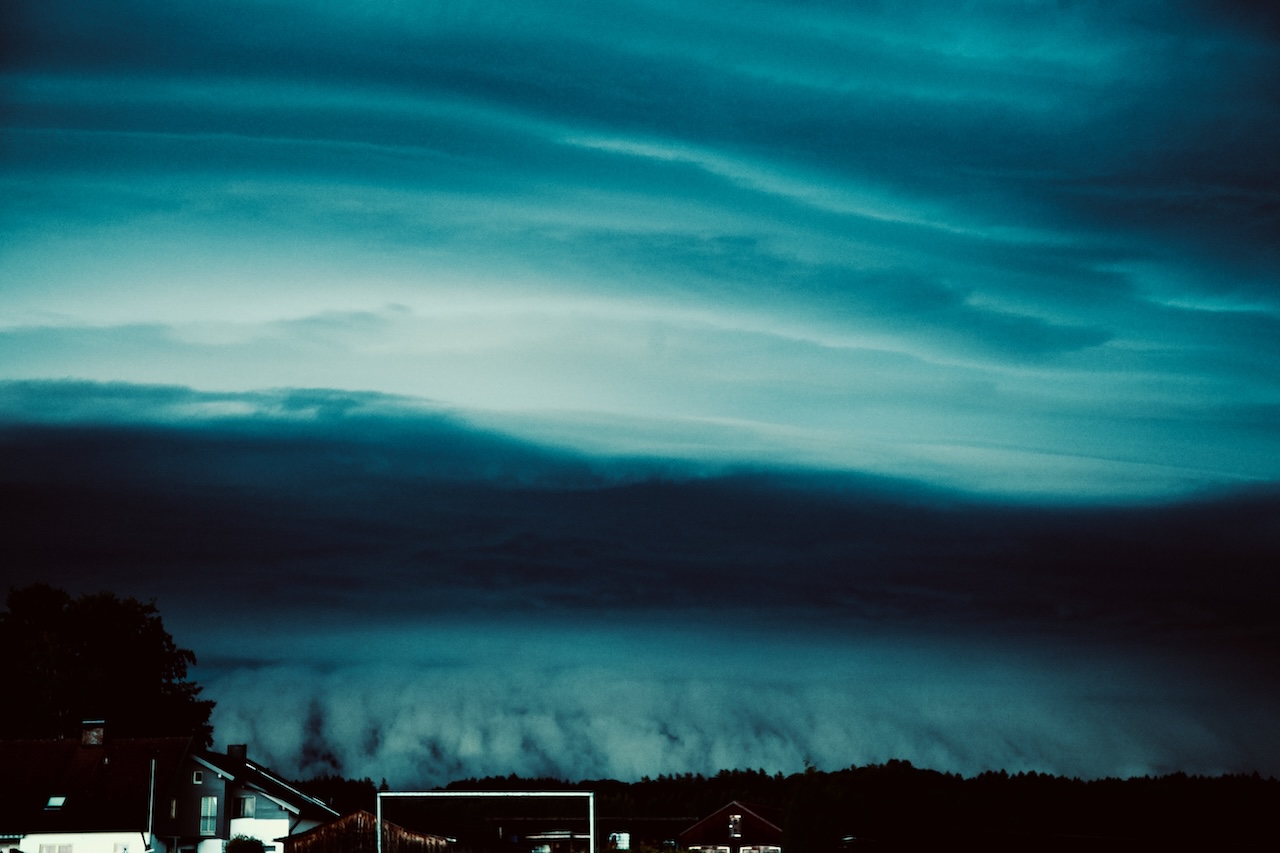
From the perspective in the picture, the approaching shelf cloud appeared like a giant waterfall touching the ground.

And then unique patterns in the clouds above appeared:
A closer look created images that look more like the picture taken from a probe orbiting Jupiter:
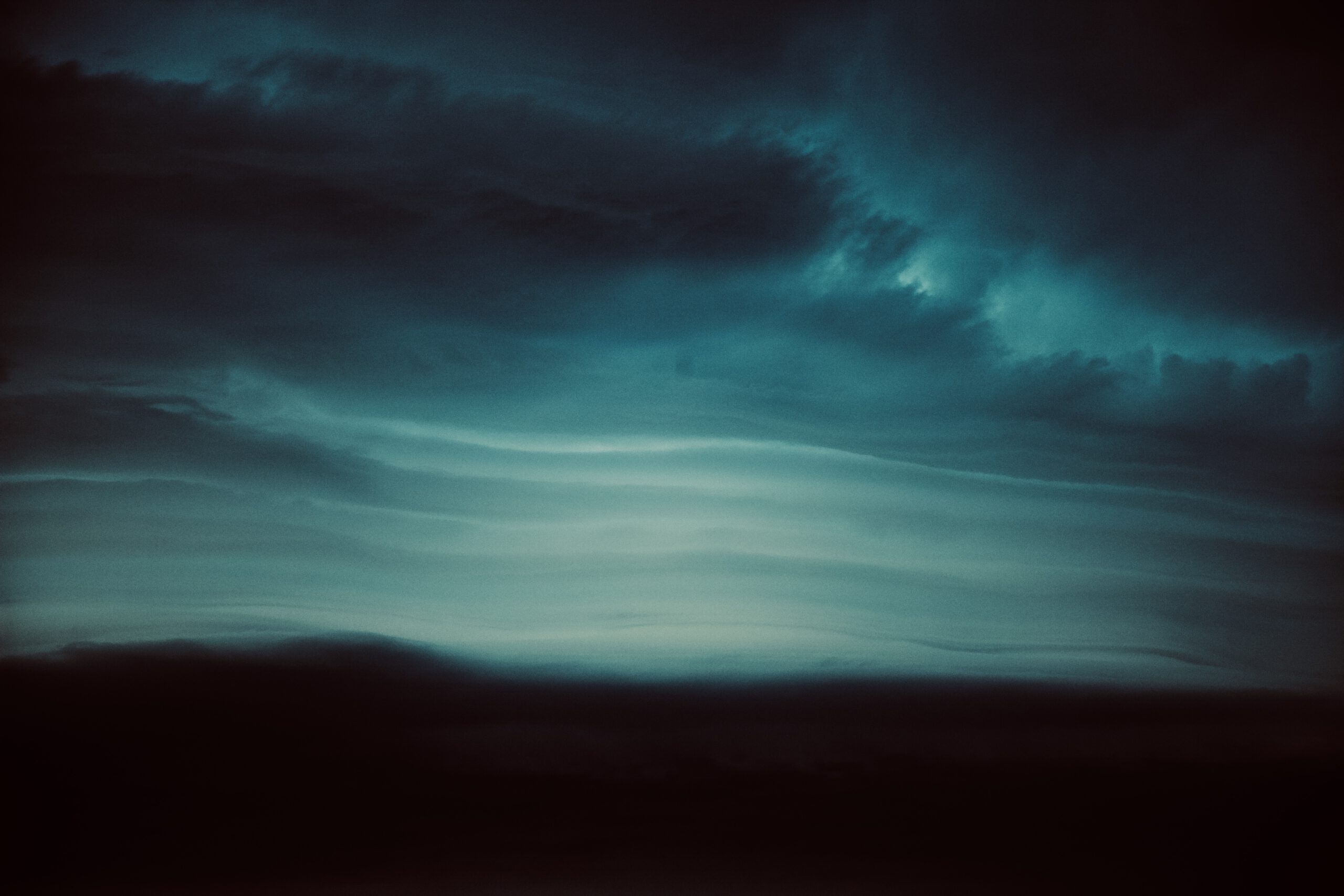
This awe-inspiring thunderstorm was a reminder that we live in a world full of wonder. Even though there is good prediction of these storms, measurement, and scientific synopsis, there is still a mystery here.
Das stärkste Gewitter in Südbayern 2025 – Massive HP-Superzelle am 4. September 2025

Peter Engelmann, December 23, 2025

Im Vergleich zu 2024 war 2025 für die Sturmjäger in Süddeutschland eine enttäuschende Saison, für Landwirte und andere Menschen hingegen eine bessere und ruhigere Saison.

Gegen Ende der Gewittersaison gab es jedoch ein spektakuläres Ereignis, das Wetterbeobachter für das lange Warten entschädigte. In den frühen Abendstunden des 4. September entwickelte sich in der Schweiz eine massive Superzelle, die sich dann im Südwesten Bayerns in der Nähe der Allgäuer Berge verstärkte und in Richtung Ammersee und weiter nach Nordosten zog.

Dieses Superzellengewitter verstärkte sich und brachte Sturm, Hagel und viel Regen mit sich. Vor allem aber schuf es aufgrund seiner stark strukturierten, mehrstöckigen Shelf-Cloud eine dramatische und unvergessliche Kulisse.

Das Sturmsystem bewegte sich langsam, und da es bereits dunkler wurde, weil die Sonne schon dicht dem Horizont stand, verstärkte dies den dramatischen Effekt der herannahenden Wolken.

Darüber hinaus war die herannahende Shelf-Cloud selbst für erfahrene Wetterbeobachter ein einzigartiges Erlebnis, da sie aussah, als würde sie den Boden direkt berühren. Wir waren nicht die Einzigen, die an diesem Tag filmten, und es gibt eine Reihe von Videos auf YouTube, die dieses spektakuläre Wetterereignis dokumentieren.

Ein öffentliches Festival in Gillamoos musste evakuiert werden, und dieser gewaltige Sturm hinterließ auf seinem Weg einige Schäden. Die Feuerwehren hatten in der Region Allgäu viel zu tun. Ein Damm brach.

Beeindruckend war auch, dass das Wetterphänomen, das in der Schweiz seinen Anfang nahm, sogar bis nach Norddeutschland vordrang. Aus der ursprünglichen Superzelle wurde ein Sturmcluster, ein sogenanntes MCS (Mesoscale Convective System).

Der Grund für dieses extreme Wetterereignis war eine Luftmassengrenze über Deutschland, die subtropische Warmluft von kälterer Luft über dem Atlantik trennte. In der Luft lag eine enorme Energie. Die Modelle sagten eine gefährliche Situation mit schweren Stürmen voraus, und es wurde eine Wetterwarnung herausgegeben. Die Wettervorhersage war in diesem Fall ziemlich gut.

Generell ist bemerkenswert, dass es 2025 häufig über lange Zeiträume hinweg blockierende Wetterlagen mit geringen Veränderungen gab, die für die geringere Anzahl von Gewittern in Süddeutschland verantwortlich sind. Zum Jahresende hin ergab sich für das Jahr eine deutliche Anomalie mit zu wenig Regen, obwohl es in Süddeutschland keine schwere Dürre gab.

Für Fotografen schuf dieser besondere Superzellensturm eine unheimliche, fast schon außerirdische Atmosphäre, die sich mit zunehmender Dunkelheit und dem Herannahen des Sturms noch verstärkte:

Aus der Perspektive von der aus das Bild aufgenommen wurde, sah die sich nähernde Wolkenwand wie ein riesiger Wasserfall aus, der den Boden berührte.

Und dann erschienen einzigartige Muster in den Wolken darüber:

Bei genauerer Betrachtung entstanden Bilder, die eher wie Aufnahmen einer Sonde aussehen, die den Jupiter umkreis und Aufnahmen der Jupiteratmosphäre macht:

Dieses beeindruckende Gewitter hat uns daran erinnert, dass wir in einer Welt voller Wunder leben. Auch wenn diese Stürme gut vorhergesagt, gemessen und wissenschaftlich zusammengefasst werden können, bleibt ihnen der Charakter des Geheimnisvollen.

.

Devastating Super-Cell Storm in Upper Bavaria on July 10, 2024

Peter Engelmann, July 11, 2024

Weather services warned the day before and were right: In the afternoon of Wednesday, July 10, 2024, a severe weather system hit Bavaria with full force. One epicenter of the devastating storm was the municipality of Holzkirchen, South of Munich. Large hail, flooding, gale-force winds, and lightning left chaos amid rush-hour traffic.

Fire Starters had their hands full of work with flooded cellars and damaged roofs. Rail transport was interrupted and was down for hours. Many overturned trees blocked streets and rails. Passengers were trapped for hours.

In West Upper Bavaria and elsewhere the approaching weather system was an awesome sight:

Shortly before 3. pm, a drama unfolds in the sky. Note the different layers of clouds which seemed stacked above each other. After approximately 20 minutes the weather system came closer fast.

As with previous extreme weather situations this year the amount of rain was impressive. Streets were flooded within minutes. The super-cell storm is the last in a series of extreme weather events in 2024. In May a flood set whole villages near Augsburg under water after days of rain. Weather remains unstable for a longer time. The amount of rain and sudden flash floods underline the change in the atmosphere. A warmer atmosphere due to human-made climate change can contain more atmospheric humidity and lead to more extreme weather: Heat waves and flooding are the new normal.

This might be mistaken for a tornado but it is a low-hanging cloud.

The severe weather system has approached with interesting and unique cloud patterns. In some moments it looked like the clouds would hit the ground. The timelapse video below shows the chaos in the atmosphere. It got pretty dark shortly before the rain arrived. Since the cameras are not waterproof the coverage presents only the beginning of the arriving storm. When the storm arrived there was some lighting and intense rain for a long time.

Even though it was the middle of the day it got pretty dark.

Late in the day, the rain stopped and the sun appeared again. But the humidity was still high and more thunderstorms are expected for the next days. The temperature was a bit lower but climbed again on the next day. July is the typical month in middle Europe for hot temperatures and severe thunderstorms. They happen more likely in the mountainous terrain in Southern Germany. The super-cell storm like yesterday, which often starts in the area where the river Lech leaves the Alps is called “Lechtalerin”. Typically it intensifies on its path to the East. These types of supercells are often long-living and move a long way. They should never be underestimated.

Nevertheless, the weather phenomena on the north side of the Alps are a unique opportunity for photographers and filmmakers to take breathing images and portray the forces of nature. Timelapses are revealing movements and dynamics in the weather system. In this case, two cameras were used for the video, one shot in timelapse mode, the other in normal mode with 60 fps. This method gives more options to get good footage of thunderstorms.

Extreme Weather In Southern Germany June 2021

Peter Engelmann, July 3, 2021

2021: A cold spring with temperatures in May below average. Luckily there was lot of rain in parts of Germany after a drought since 2018 in some areas which damaged trees and raised serious concerns for example about the future of the water balance and water supply. In June a heat wave followed. However unlike in previous years there were no long lasting high pressure systems. The weather situation wasn’t so far stable for a long time. The heat wave ended with some extreme weather events. And again, we had situations for example in South-West-Germany or in Landshut, lower Bavaria, which were unprecedented. There are a lot of discussions now going on if this is climate-change related or if it is another rare weather pattern.

Things began to change in Bavaria June 20, 2021. The days before had been mostly dry except first thunderstorms in the Southwest and in the Alps. On June 20 there were some rumble and not so intense lightning in the region west of lake Ammersee. As usual there are huge local differences: There were soon stronger thunderstorm whereas a few kilometres apart from that place nothing or little happened. That’s very usual and always challenges weather forecasters.

Thunderstorm in the early evening hours of June 20:

Short lived thunderstorm cell June 20, 2021

The next days there was a much different weather situation: In the late afternoon or evening real strong thunderstorms occurred. Rotating supercell storms were also reported in the Southern Germany. Even more extreme weather happened in France where an air mass boundary created havoc. In France huge clusters of thunderstorms formed repeatedly and moved to Belgium and North-West Germany.

Strong thunderstorm on June 24, 6.45 p.m. near Diessen (Lake Ammersee, Upper Bavaria)

Thunderstorm approaching June 24, 2021

The extreme weather with strong thunderstorms, flash-floods, even extreme hail with enormous hailstones and masses of hail lasted for a couple of days. The reason: The air mass boundary moved only slowly in Europe. It worked like a machine charging up the atmosphere and creating new thunderstorms. A time-lapse video from June 21, 2021 late afternoon gives you some idea how quickly the storms formed:

It was interesting that there were very different types of thunderstorms. The location southwest of the Ammersee experience short-lived thunderstorms, a thunderstorm which arrived very quickly as the next day there was slow movement and plenty of time to take pictures. In the night there was also one of the “stroboscope”-like thunderstorms, where you hear not much loud thunder but you see an incredible light show with high rates of flashes. There were both thunderstorms without wind and thunderstorms with very strong wind.

The thunderstorm on June 24 created some great lightning:

Lightning June 24, 2021

The storm below occurred June 28, 2021 and brought intense lightning. However it was completely different as the “strobe-storm” the night before before. The lightning was also better visible. After one of the storms there was also a thick mist around sunset. Later the mist vanished and another thunderstorm with strong lightning occurred. The stronger storms came mostly from the Alps.

Thunderstorm in the evening of June 28, 10.00 p.m:

Lightning June 28. 2021

Flash Floods and Super Cell Storms

Finally there was an exchange of air mass. The hot humid air was replaced by colder air. June 29 was the climax of the series of thunderstorms in Germany: In Bavaria, a super-cell coming from Baden-Württemberg, intensified and brought an incredibly flash flood in Landshut Lower Bavaria. The days before a deadly tornado happened in the Czech republic. The video shows the aftermath of the big storm on June 29 which was accompanied by very strong winds.

Here is also an interesting thing for photographers and videographers: Usually most people are interested to catch a storm coming to them or before it happens. But there is a lot of possibilities to get interesting moods and pictures when the storm passed. The video belows shows what was going on in the atmosphere after this huge thunderstorm on June 29.